

Do You Need a Dedicated QA Team?

When it comes to product development, ensuring high quality is non-negotiable. While there are many ways to manage quality, nowadays its typically a luxury in team settings to have a dedicated QA role alongside the development team.
Why does this matter? Here’s the issue: Most teams undervalue testing and quality efforts.
Creating and maintaining high quality requires more than just periodic checks—it demands the right mindset, the right people, and the right processes to implement effectively. Unfortunately many teams don’t yet have the right conditions to get there.
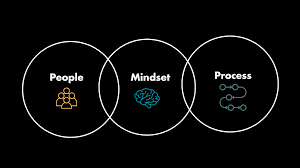
In the typical corporate setup (or at companies without technical or experienced middle management) there is a mindset that the only progress made is visible. This mindset is a race to the bottom for feature output where testing and quality efforts are put behind a functional MVP. In these teams, when developers are tasked with quality assurance, their focus shifts away from building new features or solving new technical tickets and the work is not seen as productive. In this mindset and without a dedicated QA role, if quality is everyone’s responsibility, it can quickly become nobody’s responsibility.
The right people are just as crucial as the right mindset. Without a dedicated QA team it often becomes necessary to "double stack," where leaders or product managers take on QA responsibilities. Without the right people, adding quality tasks to these roles can lead to significant gaps in product quality for many teams. To build a high-performing team without a dedicated QA role, having the right people in place is essential. The right people are those with a strong understanding of both development and quality processes and are given the right time to ensure a high quality product.
Finally, a dedicated QA team ensures the right checks and balances are implemented for teams that lack established processes. This is the final step because, with the right mindset and the right people, quality checks and automated testing will flow naturally throughout the development process. Quality shouldn’t be an afterthought—it needs to be woven into the development process and the team culture from the very beginning.
Ultimately, the ability to function without a dedicated QA role hinges on the right mindset, people, and process. Everyone should feel empowered to delay or cancel a deployment if the quality isn’t up to par. Building a culture where quality is a shared responsibility, rather than a secondary concern, means teams can deliver exceptional products without relying on a dedicated QA role.
Some of the best teams I’ve worked with didn’t have dedicated QA. It’s not impossible, but it requires significant effort to make it work. Until the team can demonstrate this consistently, most teams benefit from a dedicated QA role.
Stay curious. Keep building. Quality defines the foundation of what comes next.