

GLP-1 Trends Recently
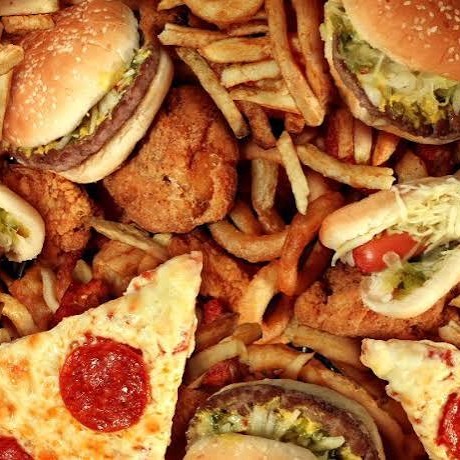
The most interesting GLP-1 restaurant trend isn’t smaller portions
A lot of the early conversation around GLP-1 drugs assumed restaurants were heading toward a future of sad half-sandwiches and untouched fries. But operators are starting to notice something more nuanced: people still want flavor, they just want every bite to count. [4]
That changes menu design in surprisingly chef-y ways.
Protein-heavy dishes are getting more attention, especially meals that feel satisfying without being huge. Hotels and restaurants are reportedly leaning into protein-forward menus as dining habits shift around medications like Ozempic and Wegovy. [1] The Wall Street Journal also noted growing demand for “healthier options” tied to these changing eating patterns. [3]
What stands out to me is how this pushes restaurants toward tighter cooking instead of restriction. If someone is eating less overall, texture matters more. Acidity matters more. A six-ounce piece of fish with blistered tomatoes, olive oil, and charred lemon suddenly makes more sense than a basket of filler carbs that cools off after five minutes.
Smaller appetite doesn’t automatically mean smaller expectations.
Bars may feel this shift before dining rooms do
The quieter change might be alcohol.
Travel and hospitality groups are already discussing how GLP-1-related behavior changes are affecting bars, restaurants, and portion strategy. [5] At the same time, broader consumer research keeps pointing toward altered consumption habits tied to these medications. [2][6]
If people drink a little less but still go out, cocktail programs probably evolve the same way tasting menus did years ago: more intentional, more concentrated, less about volume.
I can imagine more low-proof drinks that actually taste like something real instead of melted juice over pebble ice. Better vermouth service. Tiny pours of very good amaro. A cold martini with excellent olives instead of a second mediocre IPA.
That’s not necessarily bad for restaurants, either. Operators initially worried GLP-1 drugs would simply cut spending, but some are finding diners are still showing up — just ordering differently. [4]
Restaurants are becoming editing machines
Good cooking has always been about editing. You reduce a stock until the flavor sharpens. You cut extra elements off a plate until the dish finally tastes like itself.
GLP-1 dining habits seem to reward restaurants that already understand restraint.
The places that may struggle are the ones built entirely around excess: giant portions, endless add-ons, meals designed more for quantity than appetite. Meanwhile, restaurants with focused menus, strong ingredients, and disciplined kitchens could end up oddly well-positioned.
A bowl of handmade noodles with chili crisp and perfect greens feels more durable in this environment than a novelty burger stacked so tall it needs structural engineering.
People still want pleasure. They just may want it with a little more precision now.
Sources
- [1] From protein-forward menus to muscle-preservation IV drips ... — https://www.facebook.com/forbes/posts/from-protein-forward-menus-to-muscle-preservation-iv-drips-properties-are-redesi/1410068964316423/
- [2] Will GLP-1s Change the Economics of College Sports? — https://www.nilnewsstand.com/updates/will-glp-1s-change-the-economics-of-college-sports
- [3] How Americans live—and eat—is being completely transformed by ... — https://www.facebook.com/WSJ/posts/how-americans-liveand-eatis-being-completely-transformed-by-glp-1-medications-li/1405477901438803/
- [4] Restaurants thought GLP-1 drugs would hurt business; they were ... — https://www.kten.com/news/restaurants-thought-glp-1-drugs-would-hurt-business-they-were-wrong/article_3d38883a-3879-5e21-a45a-fb97f1772aa7.html
- [5] The rise of GLP-1 medications like Ozempic is reshaping the world ... — https://www.facebook.com/ForbesTravelGuide/posts/the-rise-of-glp-1-medications-like-ozempic-is-reshaping-the-world-of-luxury-trav/1449991047148435/
- [6] Inflation Shifts Dining Behavior, Not Just Foot Traffic - LinkedIn — https://www.linkedin.com/posts/brad-miller-84aa0825_restaurantindustry-customerexperience-activity-7482835327116660736-MTc8